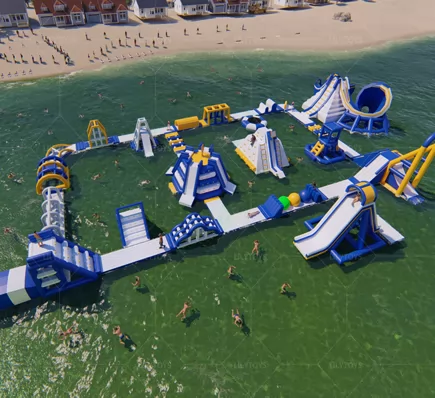
Indoor inflatable trampoline parks have rapidly become one of the most popular destinations for family entertainment, fitness activities, and group events worldwide. Combining bouncing fun with soft inflatable structures, these parks offer a safer, weatherproof, and highly engaging environment for people of all ages. This guide explains everything you need to know about indoor inflatable trampoline parks, including how they work, their benefits, safety considerations, features, and business potential.
What Is an Indoor Inflatable Trampoline Park?
An indoor inflatable trampoline park is a large, enclosed recreational facility that combines interconnected trampolines with air-filled inflatable attractions such as obstacle courses, slides, climbing zones, and bounce areas.
Unlike traditional trampoline parks that mainly use spring-based surfaces, inflatable parks rely heavily on air-cushioned structures, which help absorb impact and create a softer landing experience.
These parks are designed to provide a controlled environment for jumping, climbing, and playing regardless of weather conditions.
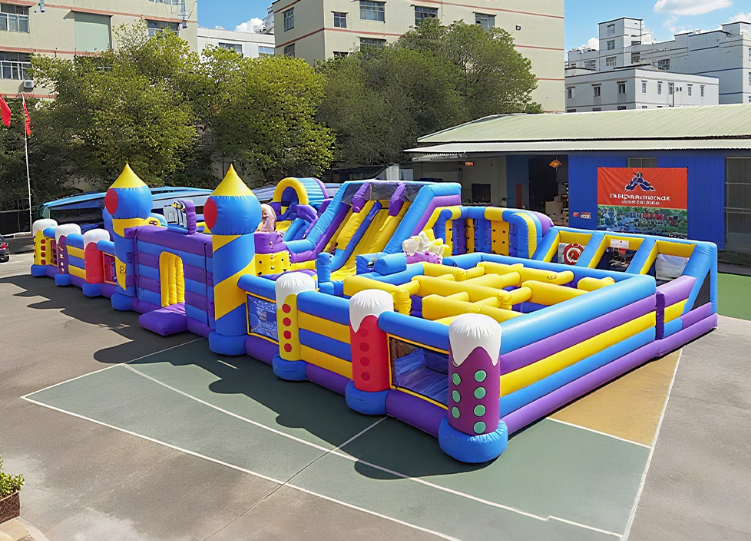
Key Features of Indoor Inflatable Trampoline Parks
Modern inflatable trampoline parks are built with multiple interactive zones to keep visitors engaged:
1. Interconnected Trampoline Zones
Large jumping areas allow users to bounce continuously across multiple trampolines, improving coordination and balance.
2. Inflatable Obstacle Courses
Maze-like structures challenge users to climb, crawl, and slide through various inflatable obstacles.
3. Foam Pits and Airbag Landings
Soft landing zones help reduce impact and allow users to safely practice flips and jumps.
4. Inflatable Slides
Tall and wide slides add excitement and are suitable for both kids and adults.
5. Interactive Game Zones
Some parks include dodgeball courts, basketball dunk zones, and timed challenge courses.
These elements combine fun, fitness, and skill development in a single environment.
Benefits of Indoor Inflatable Trampoline Parks
1. Full-Body Physical Exercise
Jumping and climbing activities engage multiple muscle groups, helping improve strength, endurance, and coordination. Trampoline-based activities can deliver strong cardiovascular benefits while feeling like play rather than exercise.
2. Low-Impact Activity
Inflatable and trampoline surfaces absorb shock, making them gentler on joints compared to running or high-impact sports. This makes them suitable for children and adults.
3. Weatherproof Entertainment
Because they are indoors, these parks provide year-round entertainment regardless of rain, heat, or seasonal conditions.
4. Cognitive and Social Development
Obstacle-based play encourages problem-solving, teamwork, and communication among participants.
5. Stress Relief and Mental Wellbeing
Physical activity combined with fun environments helps reduce stress and improves mood for both kids and adults.
Safety Considerations
While indoor inflatable trampoline parks are designed with safety in mind, they still require proper supervision and rules:
Soft inflatable surfaces reduce injury risk from falls
Safety nets and padded structures help prevent collisions
Staff supervision is typically required in play zones
Most parks enforce rules like age separation and jump limits
However, like all active recreational environments, there is still some risk of injury if rules are not followed or if overcrowding occurs.
Common Safety Rules Include:
No rough play or pushing
One jumper per trampoline zone (in many areas)
No dangerous flips for beginners
Wearing grip socks for better traction
Who Can Visit an Inflatable Trampoline Park?
These parks are designed for a wide audience:
Children (3–12 years old): Soft play, obstacle courses, ball pits
Teenagers: High-energy jumping, dodgeball, trick zones
Adults: Fitness training, recreational jumping, group events
Families: Shared activities and bonding experiences
Business Potential of Inflatable Trampoline Parks
The indoor inflatable park industry has grown due to rising demand for family entertainment centers and fitness-based recreation.
Why Investors Are Interested:
High foot traffic potential
Birthday party and event bookings
Membership and repeat customers
Indoor weatherproof operation year-round
Flexible facility expansion options
With proper location and marketing, these parks can become profitable entertainment hubs.
Maintenance and Operational Requirements
Running a safe and efficient inflatable trampoline park requires:
Daily inspection of inflatables and air pressure systems
Regular cleaning and sanitation
Staff training for emergency response
Equipment rotation and repair
Capacity control during peak hours
Safety standards and maintenance directly affect customer trust and long-term success.
Future Trends in Inflatable Trampoline Parks
The industry continues to evolve with innovations such as:
Augmented reality (AR) interactive games
Ninja warrior-style obstacle zones
Advanced airbag landing systems
Fitness-focused trampoline classes
Eco-friendly inflatable materials
These upgrades aim to enhance both entertainment and safety.
Conclusion
Indoor inflatable trampoline parks combine fitness, fun, and safe play in one dynamic environment. They offer a unique experience that appeals to children, teenagers, and adults while providing strong business opportunities in the entertainment and leisure industry.
Whether for recreation, fitness, or investment, these parks represent a growing trend in indoor active entertainment that continues to expand globally.