Bounce houses can be safely used indoors in climate-controlled, fully enclosed environments when the inflatable structure, air blower system, and safety mats comply with ASTM F2374-22 and NFPA 701 standards. These standards ensure proper sizing, secure anchoring, and fire resistance for safe operation. Typical indoor applications include birthday parties, daycare centers, schools, and indoor amusement or play facilities, as long as the venue meets all required safety, spacing, and clearance guidelines.
What Are the Minimum Indoor Space and Ceiling Requirements?
A bounce house should be installed on a flat and level surface with at least 3 feet of clearance on all sides to ensure safe operation and airflow. The ceiling height must be a minimum of 2 feet higher than the inflatable’s tallest point when fully inflated. For compact indoor models such as mini bounce houses and toddler inflatable castles, a ceiling height of 8–12 feet is generally sufficient.
The installation area must remain completely free of obstacles, including furniture, ceiling fixtures, lights, and any sharp or protruding objects. Suitable indoor locations typically include gyms, community centers, indoor playgrounds, and event halls designed for recreational use.
How Do You Secure a Bounce House Indoors?
Indoor bounce houses should be secured using weighted sandbags or ballast weights at each anchor point, with a minimum weight of 200 lbs per point, in accordance with ASTM F2374-22 safety guidelines. This ensures the structure remains stable during use without the need for ground stakes, which are not suitable for indoor environments.
For added safety, non-slip mats should be placed around the perimeter, extending at least 4 feet from any open or unguarded edge. This helps prevent slipping incidents and enhances user safety, especially in high-traffic areas or children’s play environments.
What Are the Key Indoor Safety Rules for Bounce Houses?
Adult supervision is required at all times when a bounce house is in use. The number of children inside must never exceed the manufacturer’s recommended capacity or the limits defined by ASTM F2374-22 safety standards.
Children should be grouped by similar age, size, and weight to reduce the risk of collisions and injuries during play sessions.
Before entering the inflatable, all users must remove shoes, jewelry, eyeglasses, and any sharp or hard objects that could cause injury or damage the structure.
Food, drinks, chewing gum, pets, and novelty items such as silly string should be strictly prohibited inside the inflatable to maintain hygiene and prevent hazards.
Activities such as rough play, flips, wrestling, climbing on walls, or hanging on safety netting must not be allowed at any time.
If the air blower stops working or the inflatable begins to deflate, all users must exit immediately to avoid safety risks.
The entry/exit points and blower area should always remain unobstructed to ensure safe airflow and quick evacuation if needed.
What Types of Bounce Houses Are Best for Indoor Use?
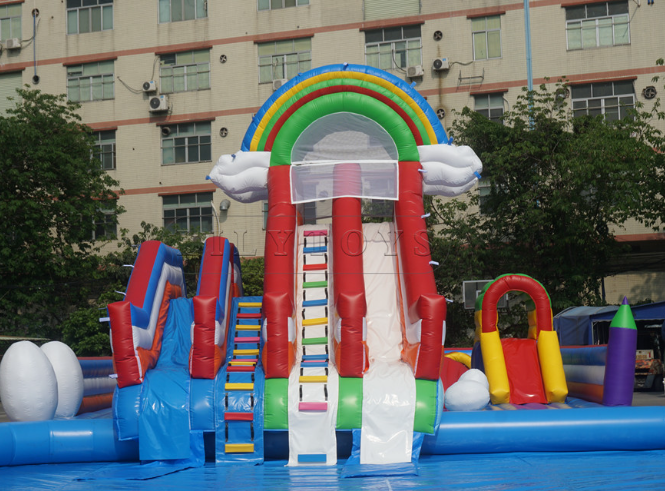
Mini indoor bounce houses, inflatable castles, and combo units with slides are the most suitable options for indoor environments due to their compact footprint and enhanced safety design.
Mini bounce houses, typically around 10’ x 10’ with a maximum height of approximately 8 feet, are ideal for low ceilings and small indoor play areas.
Inflatable castles and toddler-focused designs—such as soft play inflatables, ball pits, and inflatable basketball hoops—provide safe and engaging activities specifically designed for younger children.
These models are usually made from lightweight, durable materials that allow for quick setup, easy transport, and convenient storage, making them ideal for birthday parties, daycare centers, indoor play venues, and rental businesses.
Overall, these indoor-friendly options are designed to ensure maximum safety, versatility, and compliance with ASTM F2374-22 and NFPA fire safety standards.
How Do You Maintain Hygiene and Safety Indoors?
To maintain a safe and hygienic indoor environment, bounce houses should be thoroughly sanitized before and after each use. Proper ventilation of the indoor space should also be ensured in accordance with ASTM F2374-22 safety guidelines.
Use high-quality, allergy-friendly, and easy-to-clean vinyl materials to reduce the risk of contamination and simplify maintenance. Before every setup, carefully inspect the inflatable for any signs of damage such as rips, tears, loose seams, or foreign debris.
For toddler play areas, ball pits, and inflatable castles, strict sanitization protocols should be followed to minimize exposure to bacteria, viruses, and allergens.
Regular cleaning routines and preventive maintenance are essential for maintaining a safe environment, especially in enclosed indoor play areas where air circulation is limited.
What Are the Most Common FAQs About Indoor Bounce Houses?
Can you have a bounce house indoors?
Yes, bounce houses can be safely installed indoors as long as the venue meets ASTM F2374-22 safety standards, including space, clearance, and operational requirements.
How do you secure a bounce house indoors?
Indoor bounce houses should be secured using sandbags or weighted anchors at every designated tie-down point. Ground stakes must never be used indoors.
How do you weigh down a bounce house indoors?
A minimum of 200 lbs of weight should be applied to each anchor point for standard inflatable castles and bounce houses to ensure stability and prevent movement during use.
What Are the Benefits of Indoor Bounce Houses for Events?
Indoor bounce houses offer a weather-proof and climate-controlled entertainment solution, making them ideal for birthday parties, school functions, daycare activities, and holiday celebrations.
Children can enjoy safe, enclosed play regardless of outdoor weather conditions such as rain, heat, or wind, ensuring uninterrupted event planning.
Rental services often provide flexible options, including hourly rentals, weekend packages, and same-day delivery from local providers, making them convenient for both small and large gatherings.
Popular setups include mini indoor bounce houses, inflatable castles, and toddler-friendly soft play areas such as ball pits. These options are designed to accommodate different age groups and ensure inclusive entertainment for all participants.
In addition, indoor inflatables support higher hygiene standards, as they can be regularly sanitized and maintained. This makes them a preferred choice for allergy-conscious, parent-approved, and safety-focused event environments.
Summary: Is an Indoor Bounce House Right for Your Event?
An indoor bounce house is a safe, versatile, and highly engaging entertainment option for children’s parties, school events, daycare activities, and seasonal celebrations—provided that ASTM F2374-22 safety standards, space requirements, and supervision guidelines are strictly followed.
Always follow manufacturer instructions, maintain constant adult supervision, and ensure the inflatable is properly certified for indoor use. When used correctly, indoor bounce houses enhance events with reliable, weather-independent fun while maintaining strong hygiene standards through easy-to-clean, allergy-friendly materials.