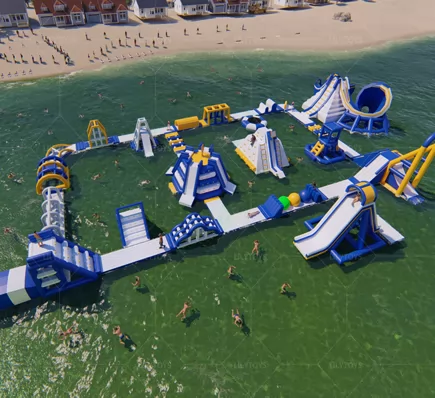
Over the past few years, inflatable swimming pools have quietly moved from “seasonal backyard toys” to widely used outdoor leisure equipment. Whether it is family use, short-term rental setups, or temporary water entertainment spaces, more users are beginning to compare different types of inflatable pools before making a purchase.
Why Inflatable Swimming Pools Became So Widely Used
The first reason inflatable pools are growing in popularity is simple: they reduce the barrier of having a swimming space.
A traditional built-in pool requires construction, permits, maintenance, and long-term space commitment. In contrast, inflatable pools can be installed in a short time, used seasonally, and stored when not needed.
From a practical standpoint, users usually mention three advantages:
· No construction work required
· Flexible size and placement
· Lower cost for temporary use
However, what many first-time buyers underestimate is that inflatable pools are not all the same. The difference between a small family model and a commercial-grade large inflatable swimming pool is significant in terms of structure, durability, and user capacity.
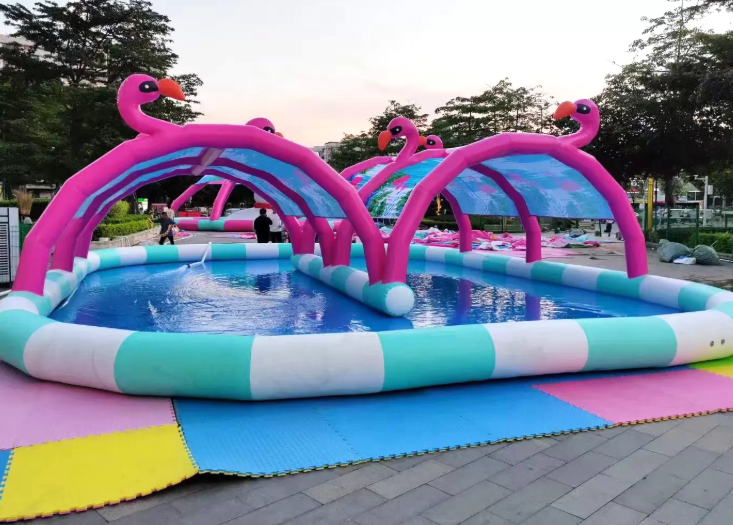
Inflatable Square Swimming Pool vs Round Design in Real Use
One of the most common comparisons is between shapes, especially the inflatable square swimming pool and round pools.
In real usage scenarios, square pools are often chosen for space efficiency rather than aesthetics. When placed in a backyard, square designs fit better against fences, walls, or corners. This is especially useful for narrow or rectangular outdoor areas.
Users also find that square pools provide a more “organized” swimming space. If multiple people are using the pool at the same time, movement feels more structured compared to round pools.
Round pools, on the other hand, tend to offer smoother water flow and are often perceived as more relaxing. But in terms of maximizing usable space, square pools generally perform better, especially when combined with accessories like slides or water play equipment.
What Changes When You Move to a Large Inflatable Swimming Pool
The jump from a standard home pool to a large inflatable swimming pool is not just about size—it changes the entire usage scenario.
Large pools are typically used for group activities rather than individual relaxation. This includes family gatherings, small events, rental setups, and sometimes hotel or resort use.
From a structural point of view, larger pools usually require:
One thing users often notice is that large inflatable pools behave more like temporary installations than simple backyard toys. Setup time is longer, and water management becomes more important.
However, the advantage is clear: once installed properly, they can support multiple users at the same time and create a shared recreational space.
PVC Inflatable Swimming Pool Material Differences
Material is one of the most discussed topics among buyers of PVC inflatable swimming pools. In most real-world cases, the difference between a durable product and a short-life product comes down to PVC thickness and seam quality. Users who have experience with different pools often highlight three key points:
First, thickness matters more than appearance. Thicker PVC tends to resist punctures better, especially when used outdoors where the ground may not be perfectly smooth.
Second, seam construction is critical. Heat-welded seams are generally more reliable than glued seams over long-term use. Many leakage issues reported by users are related to seam failure rather than material surface damage.
Third, UV exposure affects lifespan. Pools used in strong sunlight for long periods tend to age faster, which is why some commercial-grade PVC pools include UV-resistant coatings.
In short, material quality directly determines whether a pool lasts one season or multiple seasons.
Inflatable Adult Swimming Pool Usage Reality
The concept of the inflatable adult swimming pool has become more common as more adults use inflatable pools not just for recreation, but for relaxation and social gatherings. Unlike children’s pools, adult-use pools usually emphasize depth, comfort space, and stability. Users often describe them more as “portable leisure pools” rather than play equipment.
Typical use cases include:
· Weekend backyard relaxation
· Small group social events
· Villa or resort temporary setups
· Outdoor cooling during summer heat
One interesting observation from user feedback is that adults care less about “fun features” and more about comfort space and water depth. This shifts product design priorities toward structural stability rather than decorative elements.
Inflatable Swimming Pool Slide: What Users Actually Experience
Adding an inflatable swimming pool slide changes the entire experience of a pool setup. From user feedback, this combination is usually not just about swimming—it becomes a full activity system. Children use it for continuous play, while adults often see it as part of a backyard entertainment setup.
However, there are practical considerations:
· Slides require stable water depth at the landing area, otherwise the experience becomes unsafe or uncomfortable. They also require more setup space than expected, especially for taller slide designs.
· Another point often mentioned is airflow stability. Since both the pool and slide depend on continuous inflation, blower performance becomes an important factor during longer events.
· Despite these considerations, slides significantly increase usage frequency and engagement, which is why they are often included in rental setups and backyard water park packages.
Setup and Real-World Safety Considerations
In actual use, most problems with inflatable pools are not product-related but installation-related. Common issues include uneven ground, insufficient anchoring, or overfilling water beyond recommended levels.
Users with experience usually follow a few basic rules:
· Always clear sharp objects before setup
· Ensure ground is level, not just “flat-looking”
· Avoid overinflating beyond structural tension
· Match water level with intended usage type
· Keep blower running if required by design
These steps are simple but significantly improve safety and product lifespan.
Practical View: Where Inflatable Pools Make the Most Sense
From a usage perspective, inflatable pools fit into three main categories:
· Home backyard leisure, where small or medium pools are enough for seasonal use.
· Event and temporary entertainment, where large inflatable swimming pools and slides are used for short-term gatherings.
· Rental or commercial setups, where durability, size, and quick installation matter more than design simplicity.
In practice, the same product can perform very differently depending on how it is used. A pool that works well for family weekends may not be suitable for repeated commercial deployment without reinforcement.
Final Thoughts
Inflatable swimming pools are no longer just simple summer products. They now sit between consumer leisure equipment and commercial entertainment systems. Choosing between an inflatable square swimming pool, a large inflatable swimming pool, or a PVC inflatable swimming pool with slide depends less on appearance and more on how the product will actually be used. Square models are more space-efficient. Large models support group activities. PVC material determines durability. Slides add interaction but require better setup control.